 MarketMoodz
Artivion Wins FDA PMA for AMDS, Eyes $150M U.S. Market
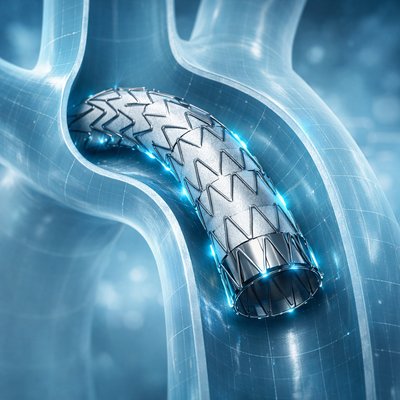
Artivion reported that the FDA granted Premarket Approval (PMA) for its AMDS Hybrid Prosthesis to treat acute DeBakey Type I aortic dissections with malperfusion, a regulatory step that removes prior IRB implantation requirements tied to its humanitarian-device status. Benzinga's report cites PERSEVERE IDE data showing a 72% reduction in 30-day all-cause mortality and a 54% drop in major adverse events; independent confirmation via FDA records or a company press release is still pending.
Key Takeaways
- Benzinga reports FDA PMA for AMDS for acute DeBakey Type I dissections with malperfusion, eliminating prior IRB approval requirements tied to HDE status.
- PERSEVERE U.S. IDE trial data cited: 72% reduction in 30-day all-cause mortality and 54% fewer primary major adverse events versus standard hemiarch procedure.
- Artivion estimates ~6,000 U.S. eligible patients per year, implying an addressable market near $150 million annually.
- Two-year follow-up (STS 2026) reportedly showed no additional DANE tears, stable aortic diameter, and expanded true lumen, supporting device durability.
- Company highlights include the acquisition of the PMA-approved NEXUS system and ongoing ARCEVO LSA trials to broaden aortic-arch offerings.
People Involved
- Pat MackinChairman, President and CEO of Artivion
Entities Involved
- Artivion Inc. (AORT)Manufacturer of the AMDS Hybrid Prosthesis and acquirer of NEXUS; commercializes aortic arch solutions
- U.S. Food and Drug Administration (FDA)Regulatory authority that grants PMA and defines labeling and post-approval requirements
- PERSEVERE U.S. IDE trialPivotal investigational device exemption trial cited as evidence of AMDS safety and efficacy
- NEXUS systemPMA-approved aortic device recently acquired by Artivion to expand product portfolio
- ARCEVO LSA trialsOngoing clinical studies intended to support additional aortic-arch indications
- STS (Society of Thoracic Surgeons) 2026Conference where two-year AMDS durability data were reportedly presented
MarketMoodz Analysis
If the PMA is confirmed, the regulatory shift removes a major logistical barrier—IRB approvals tied to the former Humanitarian Device Exemption—and should accelerate hospital adoption. For investors, that translates into a clearer commercialization pathway: Artivion's existing sales infrastructure and reported reorder trends can convert the estimated 6,000 eligible patients into recurring device revenue, supporting the company’s $150 million annual addressable-market claim. Real revenue realization depends on two variables: payer coverage and surgeon adoption curves, both of which will determine how many of those cases translate into reimbursed, billable procedures.
The clinical claims are striking: a 72% reduction in 30-day all-cause mortality and a 54% reduction in primary major adverse events versus standard hemiarch repair would represent a meaningful clinical advantage if replicated broadly. Two-year durability data presented at STS 2026—no additional DANE tears, stable aortic diameters, and true-lumen expansion—help address longer-term safety concerns that often slow uptake. Still, the numbers in press reports require confirmation against FDA labeling, peer-reviewed publications, or company filings before investors can treat them as settled facts.
Near-term catalysts to monitor: official FDA PMA documentation or an Artivion press release confirming labeling and post-approval requirements; Medicare and commercial payer coverage decisions; early commercial metrics such as initial case volumes, reorder rates, and hospital penetration; and results from ARCEVO LSA trials that could expand addressable indications. Expect stock sensitivity around these milestones—market reaction to regulatory clarity, reimbursement wins, or emerging clinical data will drive short-term volatility and set the tone for longer-term revenue growth.
Source: Original Article