 MarketMoodz
Trump Orders DOJ Probe of Oil Prices; Schiff Calls It 'Socialism'
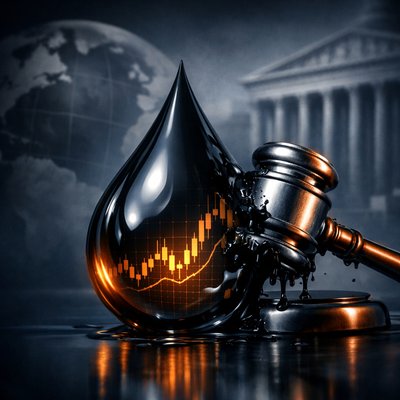
President Donald Trump reportedly directed the Department of Justice to investigate oil producers for failing to reduce gasoline prices in step with falling crude costs, a Benzinga report says. Peter Schiff labeled the move 'socialism,' and markets are parsing the signal as added policy risk for energy stocks while pump prices remain elevated.
Key Takeaways
- Benzinga reported Trump directed the DOJ to investigate oil producers for not passing crude-price declines to consumers; the claim lacks independent confirmation.
- AAA data cited in the report put the U.S. average gasoline price near $3.9180 per gallon and California around $5.5080 per gallon.
- Peter Schiff characterized the directive as 'socialism' and tied it to past price-gouging arguments linked to Vice President Kamala Harris.
- Chevron CFO Eimear Bonner said gas prices should fall as the Middle East situation eases but provided no timeline; the article cited Chevron Corp. (CVX) near $172.62 (time-sensitive).
- The story frames the move against Iran-deal talks, Strait of Hormuz reopening expectations, and election-related policy scrutiny that could sway energy markets.
People Involved
- Donald TrumpPresident of the United States
- Peter SchiffFinancial commentator
- Kamala HarrisVice President of the United States
- Eimear BonnerChief Financial Officer, Chevron Corp. (as cited)
- Paul KrugmanEconomist (commented on post-Iran-deal price trends)
Entities Involved
- Chevron Corp. (CVX)Major oil producer cited and quoted via CFO
- U.S. Department of Justice (DOJ)Agency reportedly directed to investigate price practices
- AAAProvider of nationwide gasoline price averages cited in the report
- OPECReferenced for its influence on supply dynamics and market expectations
MarketMoodz Analysis
For investors, the headline risk is clear: a public directive for the DOJ to probe pricing behavior elevates regulatory risk for energy companies. If the probe materializes, it could increase compliance costs, spur fines or enforcement actions, and raise the political risk premium on energy equities—particularly for refiners and downstream players whose margins are most sensitive to retail pump spreads. Elevated nationwide pump prices (about $3.92/gal) and California's ~$5.51/gal amplify the political salience ahead of the election, which can magnify market moves even if the legal outcome is uncertain.
Historically, political scrutiny of fuel pricing—after hurricanes or during sharp price swings—has increased volatility but rarely produced sweeping structural changes to industry economics. The current backdrop differs because it combines geopolitical relief expectations (Iran-deal talks, potential Strait of Hormuz reopening) with explicit political pressure; comments from Chevron's CFO that prices should fall if Middle East tensions ease add a supply-driven counterpoint. Traders should watch crude futures, gasoline futures spreads (RBOB), DOJ or White House statements for confirmation, OPEC messaging, and near-term AAA price updates—any of which could swing sentiment and create trading opportunities or risks.
A final caveat: key elements of the Benzinga report—including the DOJ directive, some quotes, and the CVX price cited—lack independent verification and are time-sensitive. Investors should seek confirmation from official DOJ or White House communications and primary-source company statements before repositioning portfolios based on this report.
Source: Original Article