 MarketMoodz
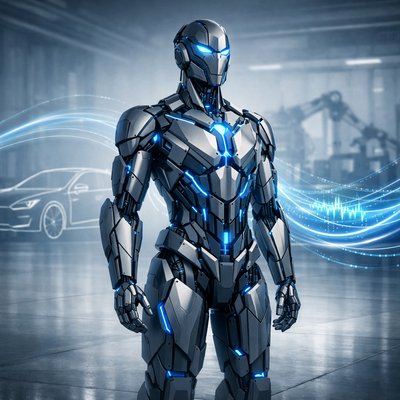
Rivian Spins Off Mind Robotics, Bets $1B+ on Humanoid Co-Worker
Rivian CEO RJ Scaringe launched Mind Robotics last year as a separate company and has positioned Rivian as a major shareholder and the robot maker’s first customer. The new firm has raised more than $1 billion and plans to ship its first humanoid product in under a year, a move that could alter Rivian’s capital allocation and manufacturing strategy.
Key Takeaways
- Mind Robotics — founded by RJ Scaringe — has raised over $1 billion and operates independently from Rivian.
- Rivian is a large shareholder and will be Mind’s first customer, supplying vehicle and factory data to train Mind’s AI.
- Mind expects a first-product launch in less than a year and is recruiting roughly 20 engineers and data architects.
- The company is targeting a multi‑trillion‑dollar industrial labor market but faces sizable execution and regulatory risks.
- Rivian’s approach contrasts with in‑house robotics plays, keeping Mind separate to limit operational distraction.
People Involved
- RJ ScaringeRivian CEO; executive chair and acting CEO of Mind Robotics
- PhilPrototype robot co‑worker (nickname used in demos)
Entities Involved
- Mind RoboticsIndependent humanoid robotics company launched by RJ Scaringe; developer of the robots
- Rivian (RIVN)Electric automaker; large shareholder in Mind and Mind’s first customer
MarketMoodz Analysis
For investors, the Mind Robotics spinout is a double‑edged signal. The more‑than $1 billion funding haul validates investor appetite for humanoid robotics and gives Mind runway to accelerate hardware and AI development, while Rivian’s decision to supply data and act as a launch customer shortens the commercialization path. If Mind’s robots help lower manufacturing labor costs or enable new service lines, the upside is direct: improved margins, new revenue streams, and a valuable technology moat. But a separate robotics venture still creates exposure for Rivian shareholders — through equity ownership, contractual commitments, and potential capital calls — even if the entity is legally distinct.
Mind’s timeline and staffing indicate a high‑velocity, early‑stage project: aiming for first product delivery in under a year and actively hiring about 20 engineers hints at a prototype‑to‑pilot phase rather than mass production. Historically, humanoid robotics projects (including Tesla’s Optimus) have faced lengthy development cycles, safety certification hurdles, and high CapEx. The contrast in strategy — Rivian creating a separate company rather than folding robotics into core operations — reduces immediate operational distraction but concentrates execution risk in a stand‑alone venture. Watch for product demos, additional funding rounds, Rivian’s SEC disclosures on its stake and any off‑balance‑sheet commitments, the R2 launch event on June 3, 2026, and early on‑floor trials at Rivian factories as the clearest signals of progress or trouble.
Source: Original Article