 MarketMoodz
Honda Recalls 880,514 U.S. Vehicles Over Rear Subframe Corrosion
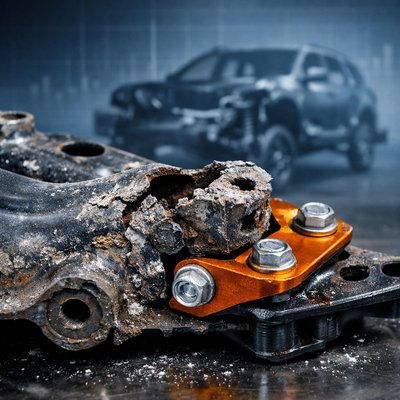
Honda has recalled 880,514 U.S. vehicles for rear subframe corrosion that can fracture mounting areas and cause rear suspension failure. The recall covers select Pilot, Ridgeline, Passport and Acura MDX model years and raises fresh questions about repair costs and margins for Honda (HMC).
Key Takeaways
- Recall covers 880,514 U.S. vehicles: 2016–2022 Honda Pilot, 2017–2023 Ridgeline, 2019–2023 Passport and 2014–2020 Acura MDX.
- Rear subframe corrosion can cause mounting-area fractures and rear suspension failure, with abnormal noises, vibration and handling changes cited by NHTSA.
- Dealers will inspect affected rear subframes and install reinforcement kits; repairs and replacements are free to owners.
- No U.S. injuries or deaths reported as of May 28; corrosion risk is higher in states using winter road salt (list includes CT, IL, IN, IA, ME, MD, MA, MI, MN, NJ, NY, OH, PA, RI, VT, VA, WV, WI, DC).
- Honda shares fell about 1% in late trading and are down more than 10% year-to-date, putting the cost of the recall in focus for investors.
People Involved
- No specific individuals mentioned
Entities Involved
- Honda Motor Co. Ltd. (HMC)Manufacturer and recall issuer
- Acura (Honda brand)Affected brand: MDX model included in recall
- National Highway Traffic Safety Administration (NHTSA)Regulator citing risks and recall details
- Honda dealershipsWill inspect vehicles and install reinforcement kits at no cost to owners
- Fox BusinessSource reporting the recall
MarketMoodz Analysis
For investors the immediate question is cost and margin pressure. A recall of 880,514 vehicles means sizable parts and labor outlays, plus administrative and warranty accruals; even a modest per-unit repair cost (parts + dealer labor + logistics) can translate into meaningful dollar amounts against quarterly gross margin. The geographic concentration in states that use winter road salt suggests a higher incidence rate in colder regions, concentrating repair demand and potentially increasing short-term logistical costs for Honda and its dealer network.
This recall arrives amid an already stretched cost backdrop for North American auto manufacturers. Honda recently announced a separate airbag-related recall, and the industry has a recent history of large-scale safety campaigns (notably the Takata airbag episode) that pushed billions of dollars onto manufacturers' books and drew regulatory scrutiny. Markets price not just the direct repair bill but the risk of follow-on actions: expanded recalls, supplier claims, or regulatory fines. The roughly 1% late-session stock dip and the more than 10% YTD decline suggest investors are parsing whether the recall will widen guidance gaps or accelerate margin compression.
What to watch next: Honda's formal cost estimate and any adjustments to warranty reserves in upcoming financials, NHTSA updates on incident reports, and whether suppliers face replacement-part demand or production strain. Investors should also monitor quarterly results for incremental warranty charges, dealer repair throughput in the affected states, and any comments from Honda management about offsetting actions—price hikes, cost cuts, or supplier negotiations—that would limit margin impact.
Source: Original Article