 MarketMoodz
EXCLUSIVE: Medicus Sees Strongest Efficacy At Higher Dose In Skin Cancer Study
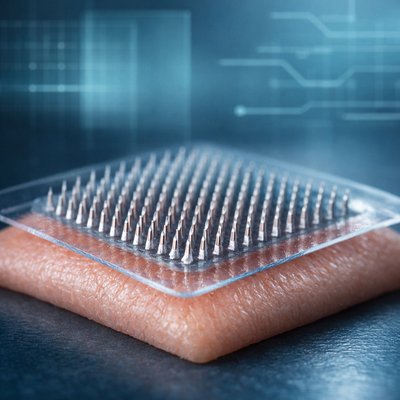
Medicus Pharma Ltd. unveiled expanded Phase 2 data for its Doxorubicin Microneedle Array (SkinJect) in nodular basal cell carcinoma, with the 200 µg dose delivering the strongest efficacy by Day 57. The topline data show 73% clinical clearance and 40% histological clearance, underscoring possible regulatory momentum, according to Benzinga's coverage.
Key Takeaways
- Dose-response signal; the 200 µg cohort shows the strongest efficacy by Day 57.
- 90 patients enrolled across three arms: device-only, 100 µg, and 200 µg.
- Topline results: 200 µg achieved 73% clinical clearance and 40% histological clearance.
- Safety looks favorable with no drug-related serious adverse events and mostly mild, localized events.
- Regulatory path advancing with anticipated End-of-Phase 2 discussions and an April Orphan Drug Designation filing for Gorlin syndrome; 69-patient refined dataset used for analysis.
People Involved
- No specific individuals mentioned
Entities Involved
- Medicus Pharma Ltd. (MDCX)Pharmaceutical company developing SkinJect D-MNA for nodular basal cell carcinoma
- U.S. Food and Drug Administration (FDA)Regulatory agency; anticipated End-of-Phase 2 discussions with Medicus
MarketMoodz Analysis
Investors are getting an early read on a potentially meaningful dose-response signal from a small Phase 2 study. While 90 patients across three arms is modest, the 69-patient refined dataset reportedly sharpening efficacy signals adds credibility to the 200 µg dose showing the strongest performance on Day 57 and supports alignment with a regulatory path.
From a historical standpoint, microneedle drug-delivery platforms have been exploring localized delivery to limit systemic exposure. If SkinJect can deliver doxorubicin with fewer systemic effects while achieving high clearance rates, it could validate a niche approach in nodular BCC and trigger licensing conversations. Still, the data are preliminary and require independent validation and peer-reviewed publication.
Next catalysts to watch include full data disclosure and independent validation, regulatory feedback from the FDA, and potential licensing deals that could unlock broader deployment or co-development opportunities. Investors should monitor for additional safety datasets and any announcements on Orphan Drug incentives linked to Gorlin syndrome.
Source: Original Article