 MarketMoodz
Newsom Slams Trump's Iran War as Gas Prices Surge
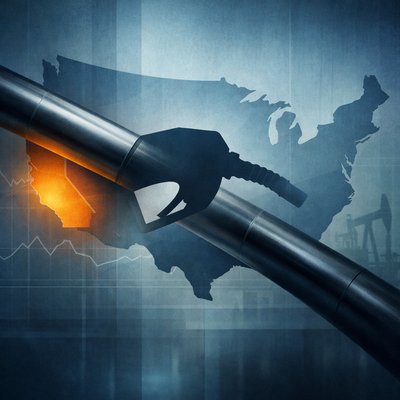
California Governor Gavin Newsom blasted Donald Trump’s Iran policy, arguing sanctions are driving up domestic energy costs and threatening the state’s aggressive clean-energy push. AAA data show a national average near $4.18 per gallon and a California average around $5.97, underscoring how policy choices translate into pump prices.
Key Takeaways
- National gas prices average about $4.18/gal, with California near $5.97/gal (AAA data).
- Newsom accuses the White House of derailing California’s clean-energy projects through Iran sanctions and related policy.
- The piece ties sanctions and geopolitics to energy costs and California’s transition, with implications for energy stocks and infrastructure.
- Some claims, like a SOC pipeline off Santa Barbara and UAE leaving OPEC+, are unverified and should be treated as cautions within the piece.
People Involved
- Gavin NewsomGovernor of California
- Donald TrumpFormer President
- Chris WrightU.S. Energy Secretary (low confidence)
- Ross GerberInvestor
Entities Involved
- AAA (American Automobile Association)Provider of gas-price statistics referenced in the piece
- Sable Offshore Corp (SOC)Pipeline operator mentioned in energy-infrastructure discussion (unverified)
MarketMoodz Analysis
For investors, the episode highlights how U.S. foreign policy and sanctions on Iran can have immediate feedback in domestic fuel costs and the pace of California’s climate investments. Higher gasoline bills can shift household budgets and compress near-term demand for expensive clean-energy initiatives, potentially affecting project financing and related equities.
Historically, energy markets have shown sensitivity to Middle East tensions and OPEC+ policy. The narrative around UAE and OPEC+ dynamics—whether fully accurate or not—illustrates how geopolitical framing can influence expectations for supply, pricing, and the capital allocated to renewables and energy infrastructure.
What to watch next: policy developments on sanctions, any shifts in OPEC+ production signaling, and California-specific funding or delays to clean-energy projects. Traders should monitor energy names, pipeline-related equities, and California solar/wind incentives for volatility tied to Washington’s stance on Iran and domestic energy policy.
Source: Original Article