 MarketMoodz
Tesla and xAI's Grok: Promises and Risks in Cars
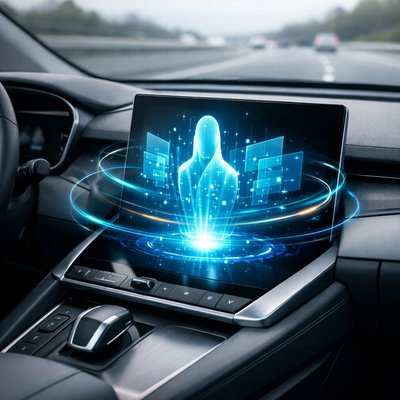
Tesla is rolling out xAI's Grok into its vehicles as a beta in-car assistant. The move signals a broader push to embed AI chatbots in vehicles, but safety, reliability, and regulatory questions loom for drivers and investors.
Key Takeaways
- Grok is integrated into Tesla vehicles in beta, enabling voice navigation and broad queries.
- Tesla reportedly began rolling out Grok to customers in July 2025, though this date hasn't been independently verified.
- FSD costs $99 per month and requires active driver supervision, with ongoing NHTSA investigations into safety issues.
- Grok can reduce driver distraction for information tasks but may create new distraction if conversations become engrossing, and it can give incorrect answers about its own features.
- The broader auto industry, including Volvo, Rivian, Mercedes-Benz, and BMW, is pursuing in-car AI, signaling a wider AI mobility trend.
People Involved
- Elon Musk SpaceX founder
- Mike Nelson Tesla Model Y owner/test user
- Philip Koopman Carnegie Mellon University professor
Entities Involved
- Tesla, Inc. (TSLA) Automaker integrating Grok into vehicles
- xAI AI company developing Grok for in-car use
- SpaceX Linked to xAI via investor/affiliations
- Volvo Cars Automaker pursuing in-car AI assistants
MarketMoodz Analysis
Investors should view Grok as a potential new revenue stream for in-car services and data-driven features, but also as a risk vector tied to safety, regulatory scrutiny, and potential impact on margins. Timeline from beta to mass adoption will influence Tesla's product roadmap and AI-services strategy, with milestones around pilot use, safety outcomes, and feature reliability driving volatility.
Historically, AI in mobility has been a growth trend but also a minefield of safety concerns and regulatory actions. FSD pricing has fluctuated and regulatory scrutiny around driver-assistance systems persists; safety investigations by regulators underscore the importance of robust testing and clear supervision requirements for any in-car AI assistant.
What to watch next: formal rollout milestones, safety metrics from real-world use, regulatory feedback, and how competitors' AI initiatives affect pricing and margins. Investors should monitor TSLA's cadence of AI features and the impact on EV/AI valuations as more automakers expand in-car assistants.
Source: Original Article
Get AI-Powered Market Insights
Stay ahead of market-moving events with our real-time analysis and stock ratings.
Start Your Free Trial