 MarketMoodz
Trump mulls up to 100% tariffs on branded drugs
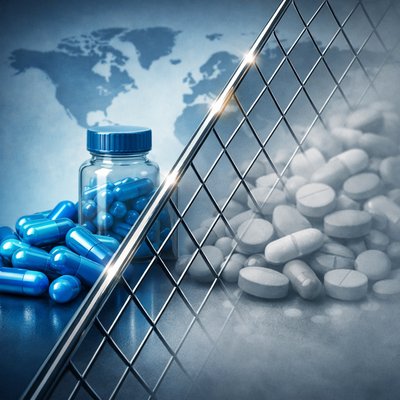
The Trump administration is reportedly weighing a tariff regime on branded prescription drugs not covered by negotiated price-lowering deals. The plan would impose up to 100% tariffs on patented medications and their active ingredients, with pathways to reduce levies if production moves onshore or deals are reached. Generics would face no tariffs, shaping incentives and competition in the U.S. drug market.
Key Takeaways
- Patented medications and their active ingredients would face a 100% tariff.
- Generics would incur zero tariffs.
- A 20% tariff would apply to onshoring, rising to 100% in four years.
- Exemptions possible for landmark pricing deals under a three-year MFN-like policy.
- Tariffs could be higher under bilateral deals with the EU, Japan, South Korea, Switzerland, and the U.K.
People Involved
- Eli Lilly Pharmaceutical company
- Pfizer Pharmaceutical company
- Novo Nordisk Pharmaceutical company
- Health and Human Services Department U.S. federal department
- Commerce Department U.S. federal department
Entities Involved
- Eli Lilly and Company Pharmaceutical company
- Pfizer Inc. Pharmaceutical company
- Novo Nordisk A/S Pharmaceutical company
- Health and Human Services Department Government department
- Commerce Department Government department
MarketMoodz Analysis
If enacted, the tariffs would raise the cost of branded medicines not covered by negotiated deals, potentially pressuring insurer costs and patient access. The generics exemption creates a two-tier dynamic that could tilt market share toward off-patent options and alter pharma margins.
Historically, tariff policy in healthcare IOs has aimed to shift pricing power but can provoke supply-chain shifts and retaliatory considerations. Investors should monitor any official confirmation and details on timing, scope, and onshore incentives.
What to watch next: whether the administration formalizes the plan, the exact tariff ladder, and any MFN-exemption mechanics; potential updates from HHS and Commerce; and how lenders and funds with pharma exposure adjust their models if price dynamics shift.
Source: Original Article
Get AI-Powered Market Insights
Stay ahead of market-moving events with our real-time analysis and stock ratings.
Start Your Free Trial