 MarketMoodz
US-Iran War Updates: UAE Fire, Talks Urged, Hormuz Plan
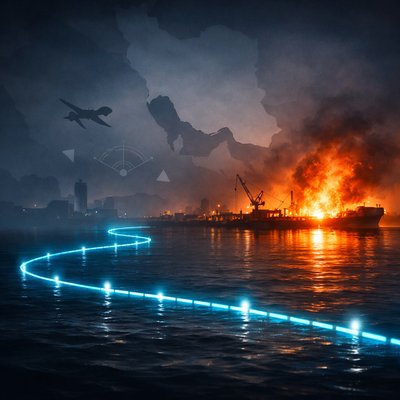
The U.S.–Israel–Iran conflict enters its seventeenth day, with a drone strike at the UAE’s Fujairah hub triggering a large fire and halting oil loading. President Donald Trump urged Hormuz-reliant nations to deploy naval assets, including minesweepers, to protect shipping and warned NATO allies of consequences for nonparticipation. Separate moves toward a wartime corridor to keep Hormuz oil flowing are testing how diplomacy intersects with supply security and energy markets.
Key Takeaways
- A drone attack on Fujairah sparked a large fire and halted oil loading.
- Trump urged Hormuz-dependent nations to deploy naval assets and threatened consequences for nonparticipation by allies.
- A wartime corridor model to keep oil and gas shipments flowing through Hormuz is being discussed with UN leadership, echoing the Black Sea Grain Initiative.
- Iran’s foreign minister denied seeking a truce and vowed continued strikes.
- Japan began releasing private-sector oil reserves to stabilize supply, aiming to cover about 15 days of consumption.
People Involved
- Donald Trump President of the United States
- Benjamin Netanyahu Prime Minister of Israel
- Michel Sleiman Ex-President of Lebanon
- Kaja Kallas EU foreign policy chief
- António Guterres UN Secretary-General
- Abbas Araghchi Iranian Foreign Affairs Minister
- Reza Pahlavi Iranian crown prince in exile
Entities Involved
- ExxonMobil (XOM) Major oil company participating in regional energy discussions
- Chevron (CVX) Major oil company participating in regional energy discussions
- ConocoPhillips (COP) Major oil company participating in regional energy discussions
MarketMoodz Analysis
For investors, the immediate takeaway is heightened oil price volatility and tighter energy markets as Hormuz flows face potential disruption. The drone strikes and escalations raise shipping risk premia and could lift Brent and WTI in the near term, while defense bets re-price for geopolitical risk and potential defense spending shifts.
Historically, Hormuz disruptions have spiked volatility but often cooled as diplomacy advances or alternative routes emerge. The reference to a wartime corridor model echoes prior emergency energy protocols, though the chokepoint dynamics in Hormuz complicate substitution and sanctions considerations more than comparable Black Sea routes.
What to watch next: confirm the trajectory of diplomatic efforts around the Hormuz corridor, monitor Iran-US naval interactions, track Japan’s reserve-release pace, and watch official UAE statements for oil-flow indicators. Hedge exposures in energy equities and shipping insurers may see the most immediate volatility as markets price geopolitical risk.
Source: Original Article
Get AI-Powered Market Insights
Stay ahead of market-moving events with our real-time analysis and stock ratings.
Start Your Free Trial