 MarketMoodz
Samsung unveils AI smart glasses in strategic hardware AI push
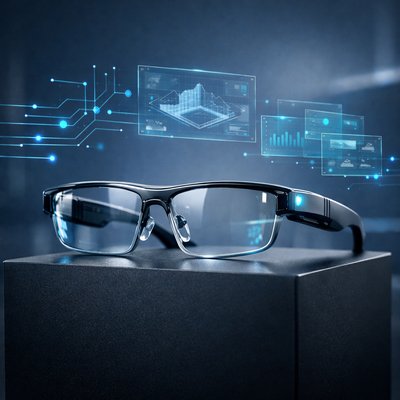
Samsung unveiled its AI smart glasses for the first time at Mobile World Congress in Barcelona, signaling a formal entry into smart glasses. The device is part of Samsung's broader push into AI-infused wearables and mixed-reality devices, with Google and Qualcomm tapped for software, chips, and hardware.
Key Takeaways
- Samsung disclosed first details about its AI smart glasses at MWC Barcelona.
- The glasses are part of Samsung's AI-infused wearables and mixed-reality strategy.
- Samsung is partnering with Google and Qualcomm on software, chips, and hardware.
- Meta’s Ray-Ban holds about 82% of the global smart glasses market per Counterpoint Research.
- Samsung suggested the product could target industrial/enterprise use this year; display specifics remain unclear.
People Involved
- Jay Kim Samsung spokesperson
- Cristiano Amon Qualcomm CEO
Entities Involved
- Samsung Electronics Hardware + consumer electronics company
- Qualcomm Semiconductor and wireless tech company
- Google Software, OS, and platform partner for AR/VR
- Ray-Ban (Meta Platforms) Dominant smart glasses brand by market share (counterpoint)
- Alibaba Competitor in smart glasses market
- XREAL Competitor in smart glasses market
- Counterpoint Research Market research firm cited for market share data
MarketMoodz Analysis
Samsung’s AI glasses reveal a broader hardware-centric AI strategy that could reshape demand for AI chips, sensors, and mixed-reality software. By aligning with Google and Qualcomm, Samsung signals a compact, integrated stack—OS, chips, and hardware—to accelerate enterprise deployments and developer ecosystems. Investors should watch for how this affects Samsung’s exposure to the AI hardware cycle and potential push into enterprise software partnerships.
Historically, the smart glasses market has been dominated by Ray-Ban (Meta) with roughly 82% market share, making any entrant a long-run challenger. Samsung’s Galaxy XR headset already used Google’s Android XR OS, underscoring a continued cross-ecosystem collaboration. As Google and Qualcomm have partnered with Samsung since 2023 on OS, semiconductors, and hardware for mixed reality, the race is on to capture enterprise adoption, privacy standards, and supply-chain capacity. Key developments to watch include official specs on built-in displays, pricing, and timing for enterprise-focused releases.
Source: Original Article
Get AI-Powered Market Insights
Stay ahead of market-moving events with our real-time analysis and stock ratings.
Start Your Free Trial