 MarketMoodz
China Moves to Ban Hidden Door Handles for EVs by 2027
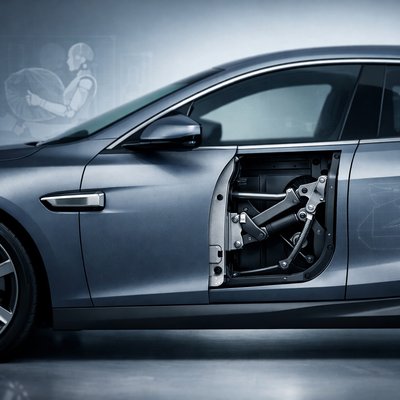
China's MIIT is reportedly moving to ban hidden, electronically activated door handles on new cars, with a rule slated to take effect on January 1, 2027. The policy, if enacted, would require exterior, manually released door handles and interior mechanical releases to prevent passengers from being trapped during power loss, a concern raised in Xiaomi EV incidents.
Key Takeaways
- MIIT would require exterior manual door releases and interior mechanical releases, banning hidden electronic handles.
- Effective January 1, 2027, making China the first country to implement such a ban.
- Reported Xiaomi EV power-loss incidents cited as context for the rule.
- Beijing sources say the move could set global safety norms and influence Tesla’s China sales and supply chains.
- Manufacturers may need hardware redesigns to add exterior releases and robust interior releases, potentially raising Chinese-market costs for foreign automakers.
People Involved
- Bill RussoFounder of Automobility
Entities Involved
- Tesla, Inc. (TSLA)Electric vehicle manufacturer in the global market
- Xiaomi Corp.Company cited in reporting on door-release concerns in EVs
- Ministry of Industry and Information Technology (MIIT)Chinese regulatory body proposing the regulation
- NHTSA Office of Defects Investigation (ODI)US safety regulator referenced in broader safety context
- AutomobilityAdvisory firm associated with Bill Russo
MarketMoodz Analysis
If confirmed, the rule would add a tangible compliance cost for automakers selling in China, particularly for foreign brands that rely on centralized, minimalist door-handle designs. The move could alter supply chains for door hardware and pressure OEMs to certify exterior release mechanisms and interior mechanical releases, impacting margins and timelines.
Historically, China has used safety standards to shape domestic and export markets. If Beijing succeeds in exporting its design preferences as universal norms, Tesla and other foreign automakers may face higher manufacturing costs and reformulated product roadmaps. Investors should watch MIIT's formal text, potential enforcement steps, and any spillover effects on global supply chains and EV pricing in China.
What to watch next: official MIIT language and regulatory notices, any updates on Xiaomi incident investigations, and broader industry commentary on how other automakers adapt hardware for the Chinese market.
Source: Original Article
Get AI-Powered Market Insights
Stay ahead of market-moving events with our real-time analysis and stock ratings.
Start Your Free Trial