 MarketMoodz
Private clubs replace anchors, reshaping commercial real estate
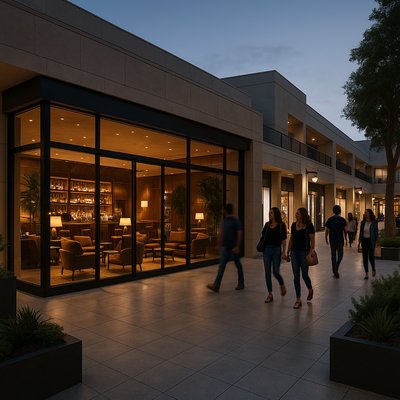
Private clubs are moving into anchor spaces in open-air shopping centers, traditional malls, and downtowns as traditional retail anchors struggle. Analysts say membership clubs can double traffic compared with typical tenants and serve as new anchors away from coastal elite markets.
Key Takeaways
- Private clubs are occupying anchor spaces in malls, open-air centers and downtown cores as traditional retail falters.
- Analysts expect clubs to double foot traffic versus typical tenants and expand beyond coastal markets.
- Notable examples include Park House in Dallas, Moore House in Miami, The Social House in Cincinnati, and the Commerce Club Grand Rapids (opening Nov 2026).
- The trend aligns with experiential tenants and could hedge against rising cap rates, though build-out costs and density requirements remain a challenge.
People Involved
- RJ HottovyAnalyst
- Jeff LambertCo-founder, Commerce Club Grand Rapids
- Jia LiWake Forest marketing professor
- Daniel SpiegelColdwell Banker Commercial representative
- Soho HousePrivate club brand
Entities Involved
- Park House Highland Park Village (Dallas)Private club occupying anchor space in a luxury mall/popular shopping area
- Moore House (Miami Design District)Private club with reported fees and amenities
- The Social House (Cincinnati)Private club adjacent to The Banks
- Commerce Club Grand RapidsPlanned 55,000 sq ft private club opening Nov 2026 near downtown Grand Rapids
- Soho HousePrivate club brand mentioned as market reference
- IndustriousCoworking concept located at Scottsdale Fashion Square
- Placer.aiData analytics firm cited for traffic metrics
- Coldwell Banker CommercialNotes on leases and market density
- Wake Forest UniversityAcademic institution cited via professor Jia Li
MarketMoodz Analysis
What this means for investors: experiential tenants like private clubs can drive higher foot traffic and longer leases, potentially supporting valuations in asset-heavy real estate despite higher build-out costs and financing costs.
Historical context: the club economy has seen booms and busts (as with Soho House) and is part of a broader shift toward experiential tenants such as gyms and coworking that reconfigure traditional retail footprints.
What to watch: confirmation across multiple markets, actual lease terms, density requirements, and traffic metrics will determine whether clubs sustain rent levels and cap rates as financing costs rise. monitor project timelines like the Commerce Club Grand Rapids opening in 2026 and pilot locations in flyover states.
Source: Original Article
Get AI-Powered Market Insights
Stay ahead of market-moving events with our real-time analysis and stock ratings.
Start Your Free Trial