 MarketMoodz
Private clubs emerge as new anchors as retail vacancies rise
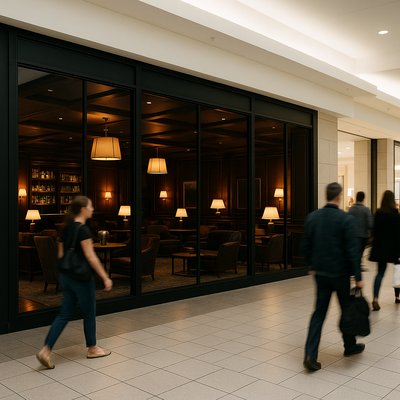
Private member clubs are moving into space traditionally used by mall anchors across the U.S., CNBC reports, signaling a shift in how retail real estate is valued. Analysts say these clubs can draw roughly double the foot traffic of typical tenants, potentially anchoring mid-sized markets away from coastlines while reshaping mall dynamics.
Key Takeaways
- Private clubs are repurposing large mall-anchor footprints, changing space utilization.
- Analysts estimate clubs can attract about twice the traffic of typical tenants, expanding anchor potential beyond high-cost coastal markets.
- Post-pandemic demand has boosted elite clubs with high initiation fees and monthly dues, often doubling as upscale dining venues.
- Soho House's take-private deal is cited as a signal of boom-bust cycles in the private-club segment.
- Growth is strongest in mid-sized cities, indicating a spread beyond coastal markets.
People Involved
- Jeff LambertFounder, The Commerce Club (Grand Rapids)
- RJ HottovyAnalyst, Placer.ai
- Jia LiAssociate Professor, Wake Forest University
- Daniel SpiegelSenior Vice President & Managing Director, Coldwell Banker Commercial
Entities Involved
- Park House - Private club (Highland Park Village, Dallas)Private club in Dallas footprint
- Moore House - Private club (Miami Design District)Private club with high initiation fees and dues
- The Social House - Private club (Cincinnati)Private club adjacent to The Banks
- The Commerce Club - Private club (Grand Rapids)55,000-square-foot facility; opening planned
- Soho House - Private club operatorCited for take-private deal in sector
MarketMoodz Analysis
For landlords and REITs, clubs could offer rent-like economics if they deliver durable foot traffic and longer-dated leases, potentially supporting higher valuations and steadier occupancy even as mass-market retail falters. But the build-out costs are substantial and success hinges on dense, upscale demographics that can sustain high initiation fees and dues.
Historically, malls evolved to include social spaces, and the private-club model represents a secular shift in demand drivers for retail real estate. The Soho House take-private and other signals imply a boom-bust cycle in a sector still searching for scalable, finance-ready models; investors should monitor cap-rate compression, debt terms, and how mid-sized markets absorb the cost of large footprints.
What to watch next: verify opening dates and membership figures from club communications, assess total build-out costs and financing terms, and track cap-rate movements in malls embracing club anchors versus traditional anchors.
Source: Original Article
Get AI-Powered Market Insights
Stay ahead of market-moving events with our real-time analysis and stock ratings.
Start Your Free Trial