 MarketMoodz
GM Aims to Overtake Ford in U.S. Production as Tariffs Bite
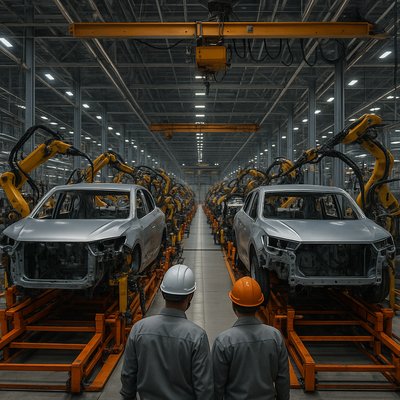
General Motors plans to outproduce Ford and claim the top spot among U.S. vehicle assemblers, according to GM CEO Mary Barra. The plan comes as tariff costs loom, with 2026 guidance pointing toward roughly $3-4 billion in tariff exposure.
Key Takeaways
- GM targets about 2 million U.S. production annually, potentially by 2027.
- Tariff costs for 2026 are expected at $3-4 billion, in line with 2025's $3.1 billion.
- Tariffs on South Korea imports could raise costs; GM has pressed for a 15% SK tariff in a potential trade deal.
- GM is shifting production, moving gas-powered crossovers from Mexico to Kansas and Tennessee and reallocating full-size SUVs/pickups to Michigan.
- Ford produced about 2.1 million U.S. vehicles in 2024, with roughly 80% domestically assembled.
People Involved
- Mary BarraGM CEO
- Donald TrumpFormer U.S. President
Entities Involved
- General Motors Co. (GM)Automotive manufacturer seeking market leadership in the U.S.
- Ford Motor Company (Ford)Automotive manufacturer and competitor to GM in U.S. production
- Hyundai Motor CompanyCompetitive auto manufacturer and importer of South Korean vehicles to the U.S.
MarketMoodz Analysis
GM’s push to lead U.S. vehicle production signals a strategic shift to reduce tariff exposure and bolster margins through higher domestic content. A 2-million-unit target would intensify demand for suppliers and could reshape regional employment and capex. However, the tariff backdrop remains a key risk if policy turns against imports, potentially elevating costs and pressuring pricing.
The story sits at the intersection of policy and competition. U.S.–Korea trade talks and any tariff adjustments could alter relative cost structures for GM versus Ford, which has marketed itself as highly American. Historically, tariff regimes for autos have swung with administration priorities; investors should watch policy developments, production ramp timelines, and any shifts in regional manufacturing incentives.
Next steps include monitoring GM’s 2025-26 tariff disclosures, the evolution of U.S.-Korea trade negotiations, and the company’s progress toward the 2027 production target. A material shift in tariff policy or faster-than-expected production ramp could tilt the competitive balance in GM’s favor.
Source: Original Article
Get AI-Powered Market Insights
Stay ahead of market-moving events with our real-time analysis and stock ratings.
Start Your Free Trial