 MarketMoodz
Elite leaders’ messaging at Davos 2026 shapes markets and policy bets
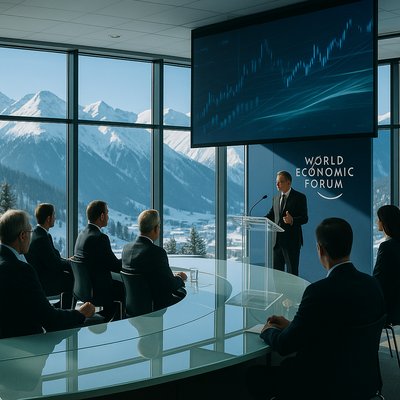
The World Economic Forum’s annual meeting in Davos ran January 19–23, 2026, in a setting aimed at dialogue amid geopolitics and trade frictions. CNBC frames the event as a stage where elite presidents, CEOs, and thought leaders craft narratives that could shift markets and policy bets in the near term.
Key Takeaways
- The meeting theme was “A Spirit of Dialogue” amid geopolitical uncertainty and trade tensions.
- Speeches were broadcast live and distilled into 10-second soundbites and TikTok edits, compressing complex signals into rapid narratives.
- Notable attendees reportedly included Jensen Huang, Emmanuel Macron, Bill Gates, and Mark Carney.
- Leadership coach René Carayol argues effective messaging relies on delivery style as much as content.
- The CNBC framing highlights AI rhetoric and investor sentiment as stock prices react to elite messaging
People Involved
- Donald TrumpReported attendee, former U.S. President
- Jensen HuangNVIDIA CEO
- Emmanuel MacronPresident of France
- Mark CarneyFormer Governor of the Bank of England
- Bill GatesCo-founder of Microsoft
- René CarayolLeadership coach
- Andrew BrodskyUniversity of Texas professor
Entities Involved
- World Economic Forum (WEF)Host organization for the Davos meeting
- NVIDIA Corporation (NVDA)Tech company; Jensen Huang CEO present
MarketMoodz Analysis
For investors, elite messaging at Davos can move market sentiment and policy expectations by signaling risk, opportunity, and governance priorities. The speed and reach of modern amplification mean rhetoric can influence near‑term stock moves and hedging behavior even before policy details are released.
Davos has long served as a global‑macro sentiment barometer. The new dynamic is the speed at which imagery, metaphors, and storytelling are repackaged into short clips and social video, potentially intensifying reaction functions in macro and tech equities.
Going forward, watch for official policy cues tied to trade, technology governance, and AI regulation that align or diverge with the narratives spun by leaders on stage. Surprises in policy signaling or shifts in risk appetite—especially around tech incumbents and cross‑border commerce—could trigger swift market repricing and reassessment of geopolitical risk.
Source: Original Article
Get AI-Powered Market Insights
Stay ahead of market-moving events with our real-time analysis and stock ratings.
Start Your Free Trial