 MarketMoodz
Dimon Breaks Silence on Trump Immigration Policy at Davos, CNBC Reports
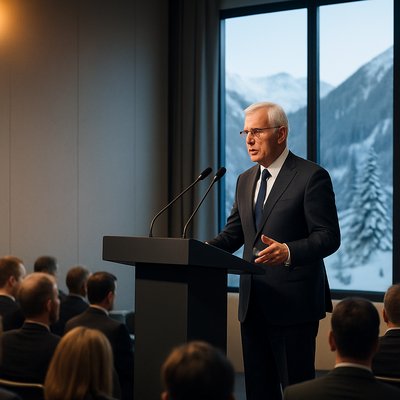
Jamie Dimon, JPMorgan Chase CEO, used his Davos stage to critique the Trump administration’s immigration approach, according to CNBC. He praised border-security moves while urging calm and reducing internal anger about immigration, a rare public rebuke from a leading U.S. corporate voice.
Key Takeaways
- Dimon criticized Trump’s immigration approach at Davos, per CNBC.
- He praised border-security moves but urged calm and less inflammatory rhetoric on immigration.
- The remarks mark a rare high‑profile corporate rebuke of Trump on immigration.
- BBC data suggested illegal border crossings fell to a 50-year low in Oct 2024–Sep 2025.
- Dimon has long pushed for immigration reform, including merit-based green cards and Dreamers’ citizenship.
People Involved
- Jamie DimonChief Executive Officer, JPMorgan Chase & Co.
- Donald TrumpU.S. President
- Zanny Minton BeddoesEditor-in-Chief, The Economist
Entities Involved
- JPMorgan Chase & Co. (JPM)Banking and financial services company; Dimon's employer
- World Economic ForumOrganizer of the Davos meeting
- U.S. Immigration and Customs Enforcement (ICE)Federal agency overseeing immigration enforcement
- BBCNews organization reporting data referenced in the story
- The EconomistPublication referenced for data via Zanny Minton Beddoes
MarketMoodz Analysis
For investors, Dimon’s stance signals corporate willingness to view immigration policy as a labor-supply lever that can influence talent pipelines, wage dynamics, and growth in finance and tech. A more open policy environment could ease labor constraints and support hiring, while keeping a lid on wage inflation if supply keeps pace with demand.
Historically, immigration reform has been a policy wildcard with bipartisan overtones in corporate rhetoric but uneven political traction. Dimon’s position aligns with a broader cohort of large-cap companies that champion skilled-visa pathways and merit-based green cards. The BBC-reported data on border crossings—while context and methodology require scrutiny—adds a macro backdrop to the debate, emphasizing that policy shifts could have material effects on labor markets and growth projections.
What to watch next: further comments by other corporate leaders on immigration at Davos, potential policy proposals from lawmakers, and any shifts in visa-processing regimes or enforcement guidance that could alter hiring plans across finance, tech, and healthcare.
Source: Original Article
Get AI-Powered Market Insights
Stay ahead of market-moving events with our real-time analysis and stock ratings.
Start Your Free Trial